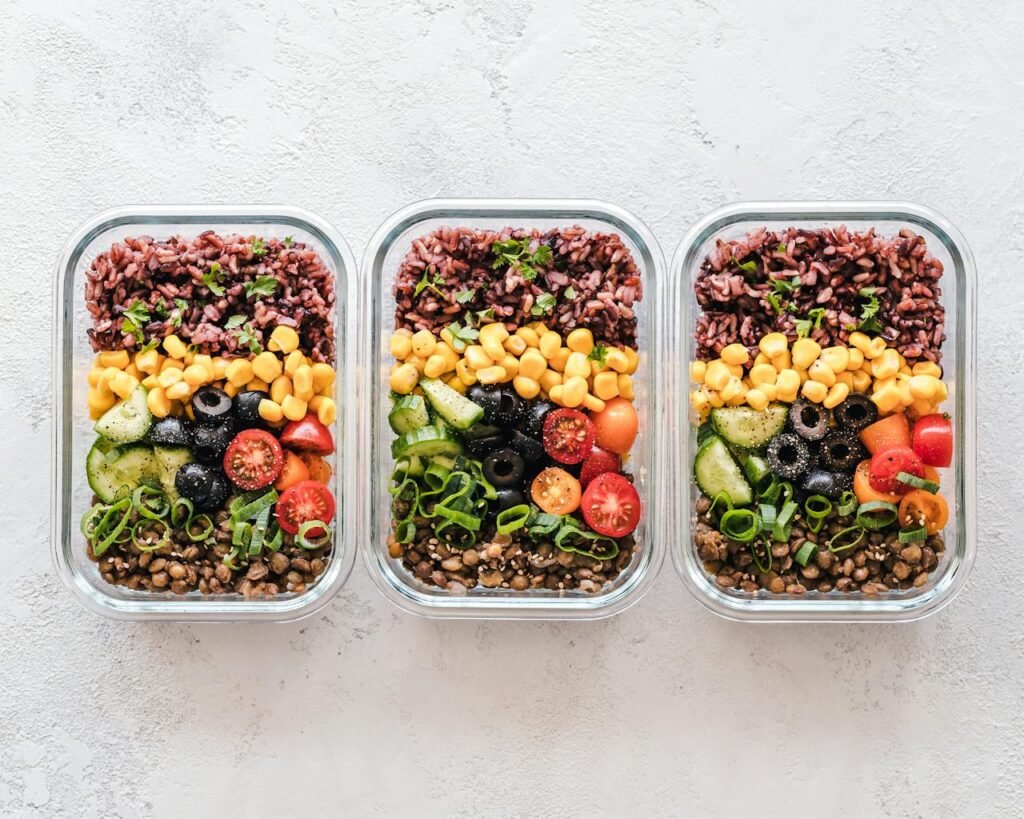
The gut-brain connection significantly influences your mental health. A balanced diet rich in fiber, probiotics, and hydration promotes a healthy gut, which in turn supports emotional well-being and reduces feelings of anxiety and depression.
Did you know that your gut and brain are more connected than you might think? This connection affects our emotions and overall health. Curious to learn more? Let’s dig in!
The Gut-Brain Axis: Understanding Their Connection
The gut-brain axis is a fascinating connection between your gut and your brain. It means they talk to each other. This link can affect your mood and mental health. When your gut is healthy, you often feel better emotionally.
Did you know that the gut has many microbes? These tiny creatures help digest food and produce neurotransmitters, which are like little messengers for your brain. Examples include serotonin and dopamine, both important for happiness and mood. A balanced gut means a happier brain!
When you eat healthy foods, you feed these good microbes. Fruits, vegetables, and whole grains are great choices. But when you eat junk food, you can upset the balance. This can lead to feelings of anxiety or depression.
So, what’s the takeaway? Taking care of your gut can help take care of your brain. Probiotics, found in yogurt, and prebiotics, found in fiber-rich foods, can be good for this connection. Consider adding more of these foods to your diet!
How Intestinal Health Influences Mental Well-Being
Intestinal health plays a big role in your mental well-being. When your gut is healthy, your mood often improves. But if it’s not, you might feel anxious or down. This is because your gut produces many important chemicals that can affect your brain.
For example, a healthy gut makes more serotonin, a chemical that helps you feel happy. If your gut is unhealthy, you might not produce enough serotonin. This can lead to feelings of sadness or worry.
Eating the right foods can boost your intestinal health. Foods rich in fiber, like fruits and veggies, help your digestive system. They feed the good bacteria in your gut. Try to avoid too much sugar and processed foods. They can harm your gut health and, in turn, your mood.
It’s also important to drink enough water. Staying hydrated helps your digestive system work better. When you’re well-hydrated, you feel better physically and mentally.
Consider including more probiotics in your diet, too. Probiotics are the good bacteria found in foods like yogurt. They can help improve your gut health, which supports better mental health.
The Importance of a Balanced Microbiome
A balanced microbiome is key to overall health. Your microbiome is made up of trillions of tiny microbes. They live in your gut and help with digestion and absorption of nutrients. But that’s not all they do!
These microbes also support your immune system and protect against harmful bacteria. When your microbiome is balanced, you’re more likely to stay healthy. But when it’s out of balance, you can feel tired, anxious, or even sick.
A diverse microbiome is a healthy microbiome. Eating a variety of foods helps keep your gut microbes happy. Include different fruits, vegetables, whole grains, and legumes in your meals. This variety feeds different types of microbes, keeping the balance.
On the other hand, diets high in sugar and fat can harm your microbiome. They can lead to an imbalance, which can hurt your gut health and mood. So it’s important to choose whole, nutritious foods as much as possible.
Consuming probiotics is another way to support a balanced microbiome. Probiotics are found in foods like yogurt and kefir. They add good bacteria to your gut, helping to maintain that important balance.
Dietary Strategies to Support Gut Health
Supporting your gut health is easier than you might think. One of the best ways is through your diet. What you eat directly affects your gut and overall well-being.
First, focus on eating plenty of fiber. Foods like fruits, vegetables, whole grains, and legumes are great sources. Fiber helps feed the good bacteria in your gut. This keeps your digestive system running smoothly and balanced.
Next, include fermented foods in your meals. Foods like yogurt, kefir, sauerkraut, and kimchi are rich in probiotics. Probiotics are the good bacteria that can help improve gut health. They can boost your mood and help your gut function better.
It’s also important to stay hydrated. Drinking enough water helps your digestive system. It can prevent constipation and keep everything moving along in your gut.
Avoiding processed foods can be beneficial, too. These foods often contain unhealthy fats and sugars, which can disrupt your gut balance. Instead, aim for whole foods that nourish your body and gut.
Finally, try to limit your intake of high-sugar foods. Sugar can feed bad bacteria in your gut. Keeping sugar low can help maintain a healthy gut environment.
FAQ – Frequently Asked Questions about Gut Health
What is the gut-brain axis?
The gut-brain axis is the connection between your gut and your brain. They communicate and affect each other’s health.
How can my diet affect my gut health?
A healthy diet rich in fiber, fruits, and vegetables supports good bacteria in your gut, improving your overall gut health.
What are probiotics and why are they important?
Probiotics are good bacteria found in fermented foods. They help maintain the balance of your gut microbiome, which is crucial for health.
What foods should I avoid for better gut health?
Try to avoid processed foods and high-sugar items. These can harm your gut balance and affect your mood.
How much water do I need for digestive health?
Staying hydrated is important. Aim for about 8 glasses of water a day to keep your digestive system running smoothly.
Can lifestyle changes help my gut health?
Yes, lifestyle changes like reducing stress, getting enough sleep, and eating a balanced diet can significantly improve your gut health.