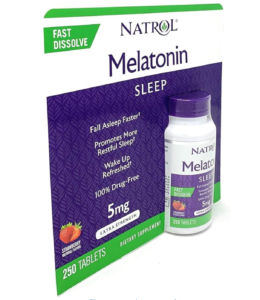
The supplement aisle promises many things, but few products enjoy melatonin’s reputation as a natural sleep aid. Millions reach for it nightly, hoping to drift off faster and wake up refreshed. The reality, according to comprehensive research, is more nuanced than the bottle suggests.
Melatonin works, but modestly. Large-scale analyses spanning thousands of participants reveal consistent yet humble benefits: falling asleep roughly 4–9 minutes faster and gaining an additional 8–20 minutes of total sleep time compared to placebo. Sleep quality sees small improvements as well.
These numbers may sound underwhelming, especially if you’re lying awake at 2 AM. But context matters enormously—both who’s taking melatonin and why.
The Circadian Connection
Melatonin functions as a biological dimmer switch, signaling to the body that darkness has arrived and sleep should follow. As a supplement, it proves most effective when circadian rhythm sits at the heart of the sleep problem.
People with delayed sleep phase syndrome—those whose internal clocks run stubbornly late—see meaningful improvements. The hormone helps shift sleep timing earlier and reduces the frustrating lag between “wanting to sleep” and “actually sleeping.” Blind individuals, who lack light cues to anchor their sleep-wake cycles, also benefit from melatonin’s regulatory effects.
For garden-variety insomnia in otherwise healthy adults, the evidence grows murkier. Multiple systematic reviews paint an inconsistent picture, with some finding minimal clinical benefit while others report small but statistically significant improvements. The distinction here isn’t trivial: statistical significance doesn’t always translate to noticeable differences in how you feel each morning.
Age Makes a Difference
Children and adolescents respond more favorably to melatonin than adults do. Research shows clearer improvements in both sleep onset and total sleep duration among younger populations, particularly those with neurodevelopmental conditions like autism spectrum disorder. The supplement appears to address pediatric sleep issues more reliably than adult ones.
Conversely, older adults using higher doses (around 10mg) demonstrate increased sleep duration and efficiency during both nighttime and daytime sleep episodes, suggesting dose optimization may matter more as we age.
Medical Conditions and Secondary Sleep Disorders
When sleep disturbances stem from underlying health issues, melatonin offers mixed results. People with Parkinson’s disease report improved subjective sleep quality and reduced time to fall asleep, though objective measurements sometimes tell a less compelling story. Similar patterns emerge for those with traumatic brain injury, respiratory diseases, and metabolic disorders—perceived improvements often outpace measurable changes.
Perioperative patients experience better postoperative sleep quality with melatonin supplementation, with a 6mg daily dose showing optimal effects.
Mental health conditions present a different challenge. While melatonin shows promise for some psychiatric patients struggling with sleep, the benefits don’t extend consistently across all mental disorders. Individual sleep patterns and circadian abnormalities strongly influence outcomes, making personalized timing and dosing essential.
Timing and Dosage: The Underappreciated Variables
Taking melatonin 30 minutes before bed—common advice you’ll find on most bottles—isn’t necessarily optimal. Dose-response research suggests better results with 2–4mg taken approximately 2–3 hours before desired bedtime, allowing the supplement to work with your natural circadian rhythm rather than forcing an abrupt change.
Higher doses beyond 4–5mg may enhance sleep efficiency but don’t consistently improve sleep onset. More isn’t automatically better with melatonin, and finding your effective dose often requires experimentation within this range.
Prolonged-release formulations show advantages over immediate-release versions for some people, particularly those with chronic insomnia. The synthetic melatonin receptor agonist ramelteon demonstrates larger effects for individuals 55 and older compared to standard melatonin.
Safety Profile
Across numerous trials, melatonin maintains a reassuringly safe profile for short- to medium-term use. No major safety signals emerge in the research, and tolerability generally exceeds prescription sleep medications. Side effects, when present, tend to be mild.
This favorable safety profile partly explains melatonin’s popularity—even modest benefits become attractive when they come with minimal risks.
Setting Realistic Expectations
Melatonin isn’t a pharmaceutical sledgehammer. It won’t knock you unconscious or guarantee eight uninterrupted hours. What it can do—when matched appropriately to your specific sleep problem, taken at the right time, and used at effective doses—is gently nudge your biology toward better sleep.
For circadian rhythm disorders, it offers genuine help. For children and adolescents with sleep difficulties, evidence supports its use. For typical adult insomnia without underlying circadian issues, expectations should remain measured.
The 8–20 minutes of additional sleep time revealed in meta-analyses represents an average across diverse populations and conditions. Your personal response may fall anywhere along that spectrum—or outside it entirely. Factors like your age, the nature of your sleep problem, when you take the supplement, and your dose all significantly influence outcomes.
If you’ve tried melatonin without success, the issue may not be that “melatonin doesn’t work”—it may be that timing, dosing, or the mismatch between the supplement’s mechanism and your particular sleep challenge prevented it from working for you.
Understanding what melatonin actually does, and for whom it works best, transforms it from a generic “sleep supplement” into a tool with specific applications. Used thoughtfully, it occupies a legitimate place in the sleep improvement toolkit—just not necessarily the miraculous one marketing sometimes suggests.
Frequently Asked Questions About Melatonin
What’s the best time to take melatonin?
Research indicates that taking melatonin 2–3 hours before your desired bedtime produces better results than the common recommendation of 30 minutes prior. This timing allows the supplement to work in harmony with your natural circadian rhythm rather than forcing an abrupt change.
How long does melatonin take to work?
On average, melatonin reduces time to fall asleep by about 4–9 minutes. While this may seem modest, the cumulative effect over time, combined with small increases in total sleep duration (8–20 minutes), can improve overall rest quality.
What’s the ideal melatonin dose?
Dose-response analyses suggest 2–4mg is the optimal range for most people. Higher doses (above 4–5mg) may improve sleep efficiency but don’t necessarily help you fall asleep faster. For older adults, higher doses (up to 10mg) have shown specific benefits.
Does melatonin work for all types of insomnia?
No. Melatonin is most effective for circadian rhythm-related problems, such as delayed sleep phase syndrome, and less consistent for typical chronic insomnia in healthy adults. The specific nature of your sleep problem largely determines how well melatonin will work.
Can children safely take melatonin?
Evidence shows that children and adolescents respond better to melatonin than adults, with clearer improvements in sleep onset and total sleep duration. This is especially true for children with neurodevelopmental disorders like autism. However, always consult a pediatrician before starting any supplement.
Is melatonin addictive?
Melatonin doesn’t cause physical dependence like prescription sleep medications. Its safety profile is favorable for short- to medium-term use, with no major safety signals in studies. However, long-term research remains limited.
Why isn’t melatonin working for me?
Several factors may explain this: inadequate timing (taking it too close to bedtime), incorrect dose, wrong type of sleep problem (melatonin isn’t ideal for all insomnia types), or inappropriate formulation. Adjusting when and how much you take can make a significant difference.
Can I take melatonin every night?
Safety studies show melatonin is well tolerated in the short to medium term. For prolonged use, especially for chronic conditions, it’s advisable to discuss with a healthcare professional to monitor effectiveness and ensure you’re addressing the root cause of sleep problems.
Is extended-release melatonin better?
For some people, especially those with chronic insomnia, prolonged-release formulations show advantages over immediate-release versions. The synthetic melatonin receptor agonist ramelteon demonstrates larger effects for individuals 55 and older.
What are the side effects of melatonin?
Melatonin is generally well tolerated, with mild side effects when present. This compares favorably with prescription sleep medications, which often have more significant side effect profiles. No major safety signals have emerged in numerous clinical trials.
Does melatonin work for jet lag?
While this article focuses primarily on sleep disorders, melatonin shows efficacy for circadian rhythm disturbances generally, which includes jet lag. Its ability to adjust sleep timing makes it suitable for resetting biological clocks disrupted by travel.
Should I take melatonin with food?
The reviewed research doesn’t emphasize specific food interactions as a critical factor. Timing relative to desired bedtime and dosage appear more important than whether you take it with or without food.